


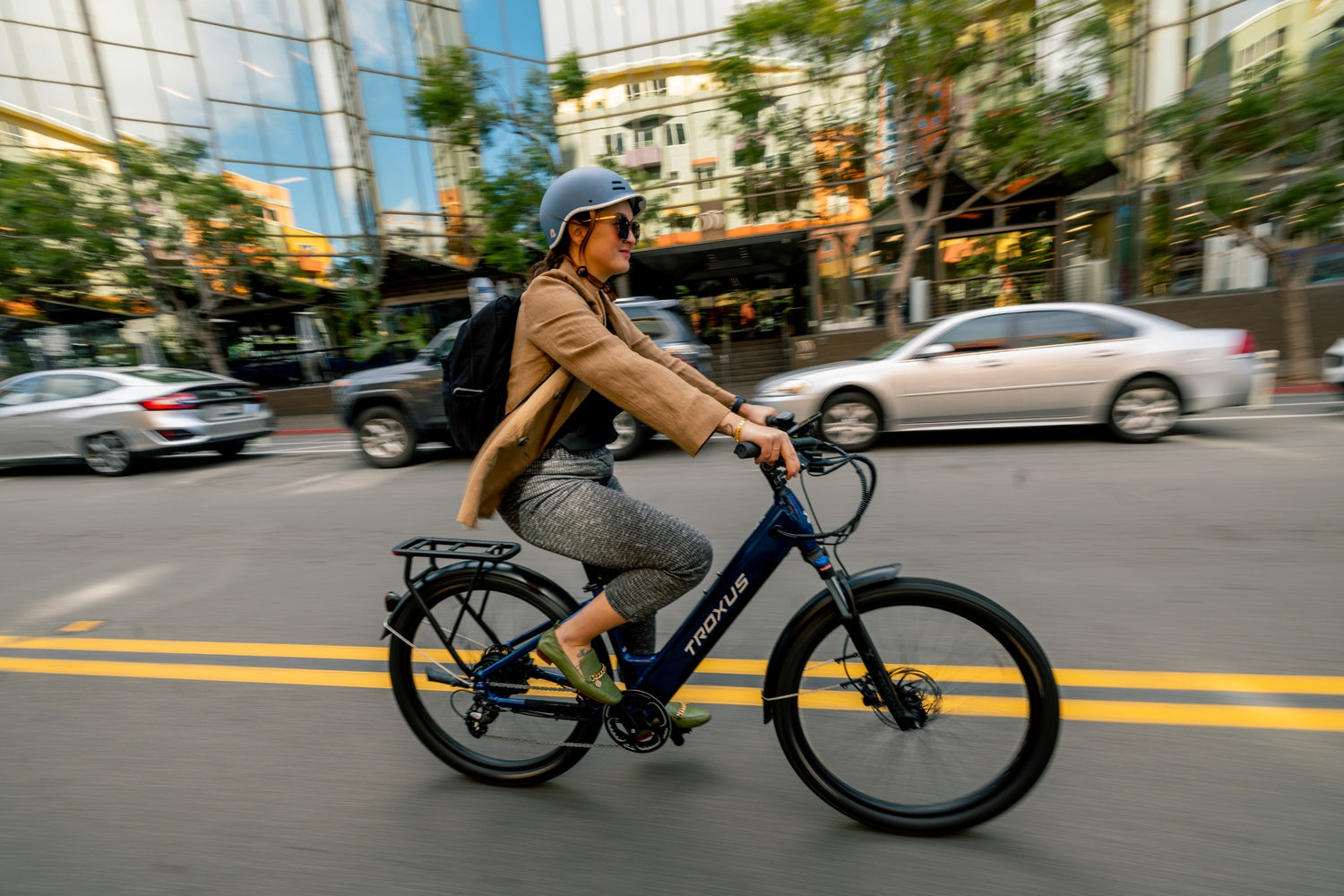


Electric bikes have rapidly evolved into one of the most important segments of modern mobility. What was once a simple pedal-assist concept has now become a sophisticated system that integrates electrical engineering, software, and mechanical design.
A modern e-bike combines a high-efficiency powertrain, advanced battery management, real-time sensor input, and digital connectivity. The result is not just assisted cycling, but an optimized riding system designed for efficiency, comfort, and scalability across different use cases.
System Architecture: What Makes an E-Bike Efficient

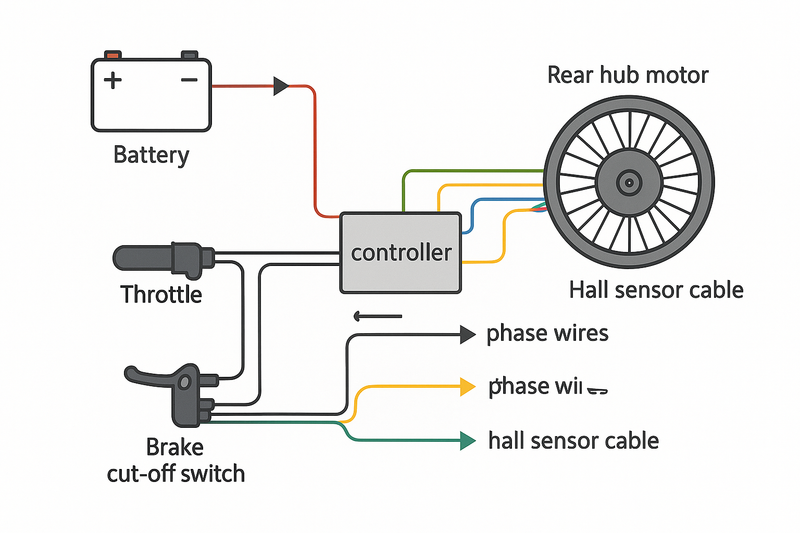
At its core, an e-bike operates as an integrated electromechanical system. The battery stores energy, typically in lithium-ion cells, the motor converts electrical power into torque, and the controller regulates energy flow based on real-time inputs.
Sensors such as cadence, torque, and speed continuously feed data into the controller. This allows the system to dynamically adjust motor output, ensuring that assistance is proportional to rider input.
From a performance perspective, efficiency is achieved through this coordination. Instead of delivering constant power, the system optimizes output to reduce energy waste, improve range, and enhance ride smoothness.
Battery Technology: Energy Density, Safety and Charging


Battery technology remains one of the most critical factors in e-bike performance. Most systems rely on lithium-ion chemistries such as NMC or NCA, offering energy densities typically in the range of 150–250 Wh/kg.
Modern battery packs integrate a Battery Management System (BMS), which monitors cell voltage, temperature, and current flow. The BMS ensures safe operation by preventing overcharge, deep discharge, and thermal instability, while also balancing cells to extend overall lifespan.
Emerging technologies, including solid-state batteries, aim to exceed 300 Wh/kg while improving safety due to non-flammable electrolytes. Sodium-ion batteries are also being explored as a lower-cost alternative with improved material availability, although currently with lower energy density.
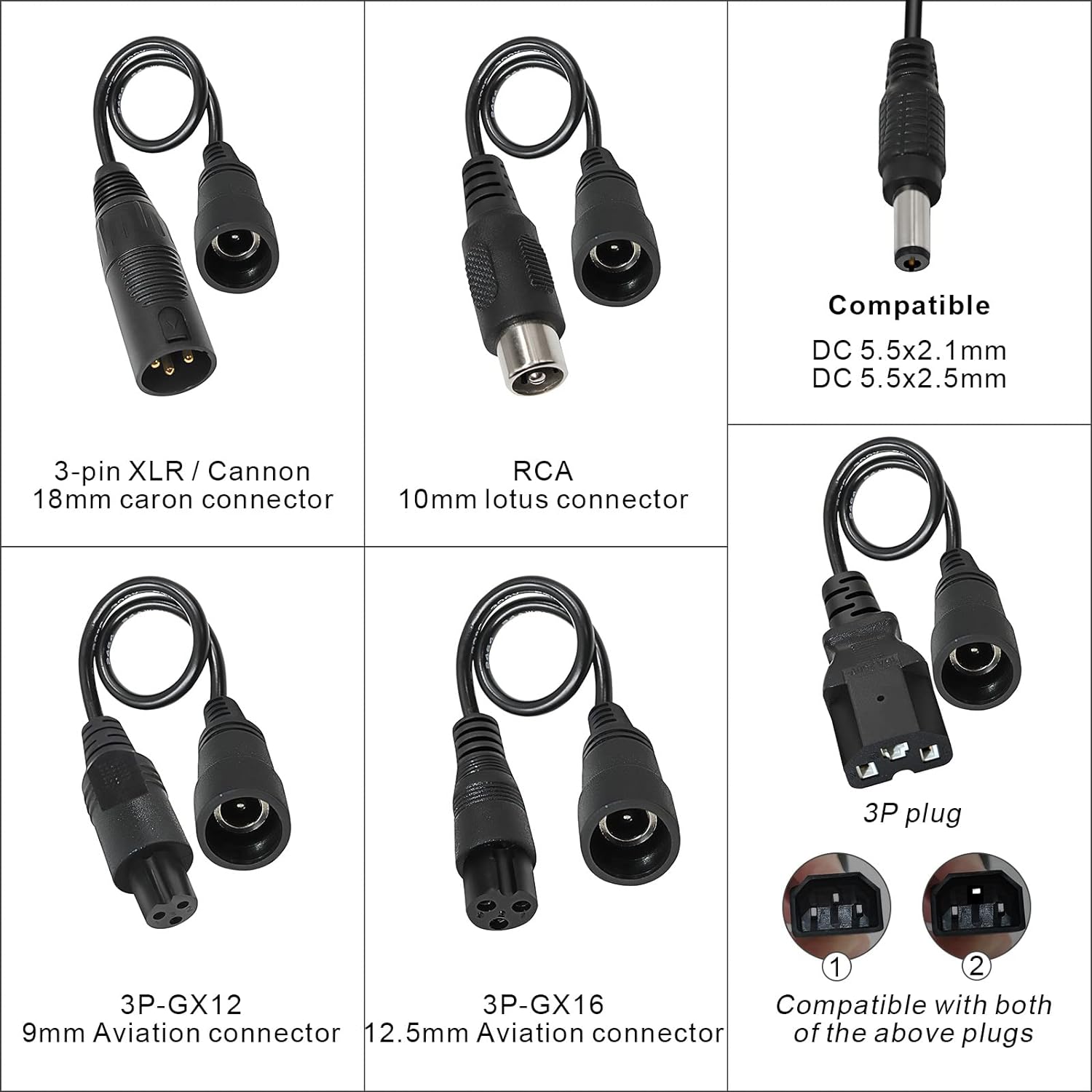
Charging infrastructure is also evolving. Fast chargers (4–5A) can significantly reduce charging time, though thermal management remains a key consideration for long-term battery health.
Motor Systems: Mid-Drive vs Hub Motor Dynamics
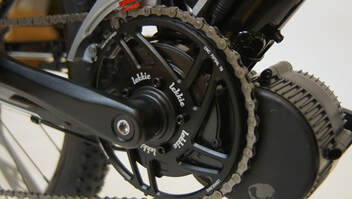
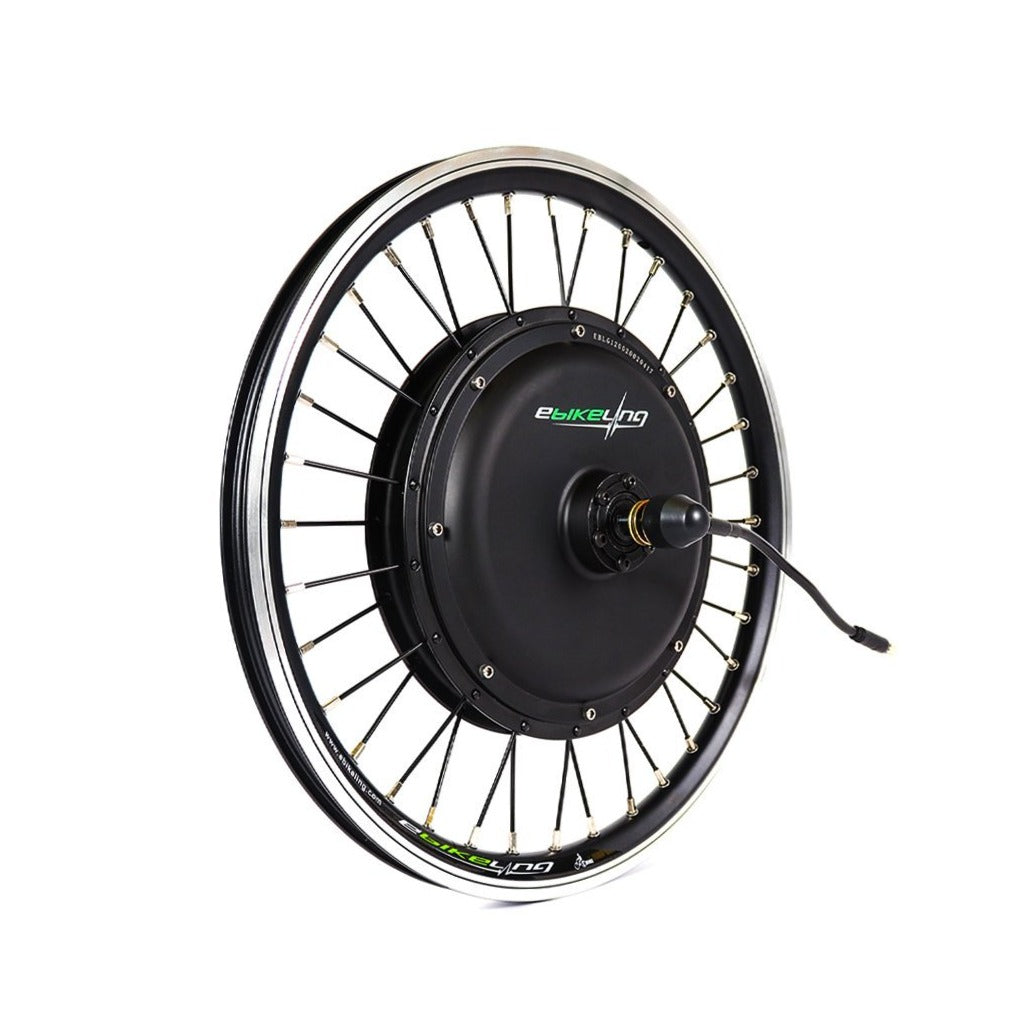
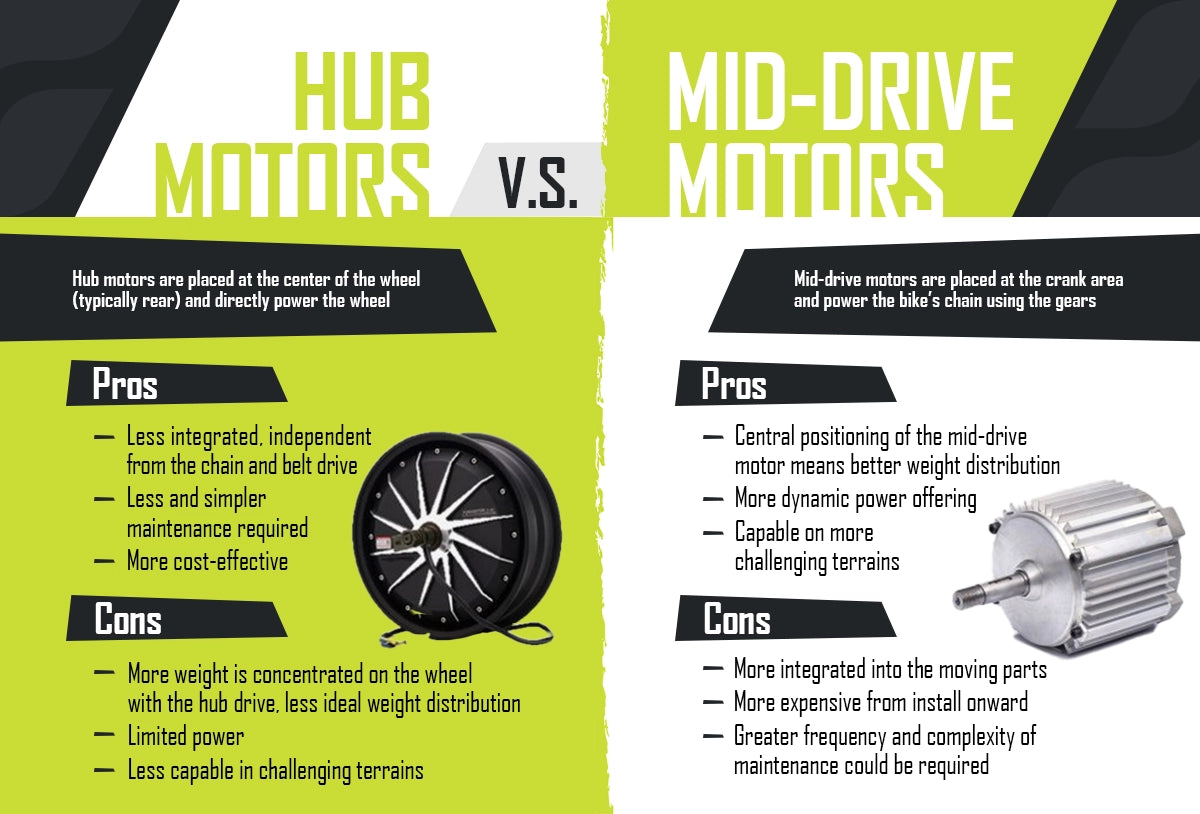
E-bike motors are generally categorized into mid-drive and hub motor systems, each with distinct mechanical and performance characteristics.
Mid-drive motors are integrated at the crankset and leverage the bike’s drivetrain. This allows them to operate within optimal RPM ranges, resulting in higher torque output (often 70–120 Nm) and improved climbing efficiency.
Hub motors, mounted in the wheel hub, operate independently of the drivetrain. While mechanically simpler and more cost-effective, they typically provide lower torque and reduced efficiency under load, particularly on inclines.
From an engineering standpoint, mid-drive systems offer better weight distribution and energy utilization, while hub motors prioritize simplicity and lower maintenance.
Control Systems, Sensors and Ride Optimization


The controller functions as the central processing unit of the e-bike system. Using techniques such as Field Oriented Control (FOC), it regulates motor current to deliver smooth and efficient torque output.
Torque sensors measure the force applied to the pedals, enabling proportional assistance, while cadence sensors detect pedaling motion. Advanced systems combine multiple sensor inputs, including acceleration and gradient estimation, to refine power delivery.
This results in a highly adaptive system where assistance is continuously optimized, improving both ride quality and energy efficiency.
Connectivity and Software Ecosystem


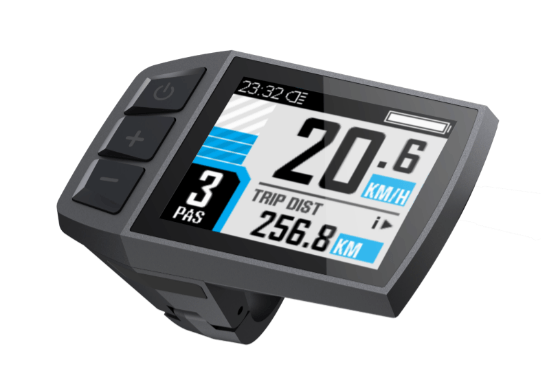
Modern e-bikes are increasingly part of a broader digital ecosystem. Bluetooth and IoT connectivity enable integration with mobile applications, allowing riders to monitor performance metrics, battery usage, and route planning.
Advanced features include Over-The-Air (OTA) updates, adaptive ride modes, and predictive range estimation. Some systems incorporate GPS tracking, anti-theft immobilizers, and digital authentication.
This shift toward software-driven functionality is transforming e-bikes into connected mobility platforms rather than standalone mechanical devices.
Frame Design and Material Engineering


Material selection plays a key role in performance. Aluminum alloys remain dominant due to cost-efficiency and strength, while carbon fiber is increasingly used in high-end models for weight reduction and stiffness optimization.
Cable routing, component integration, and modular design approaches contribute to both durability and user experience.
Emerging Segments: Folding and Cargo E-Bikes


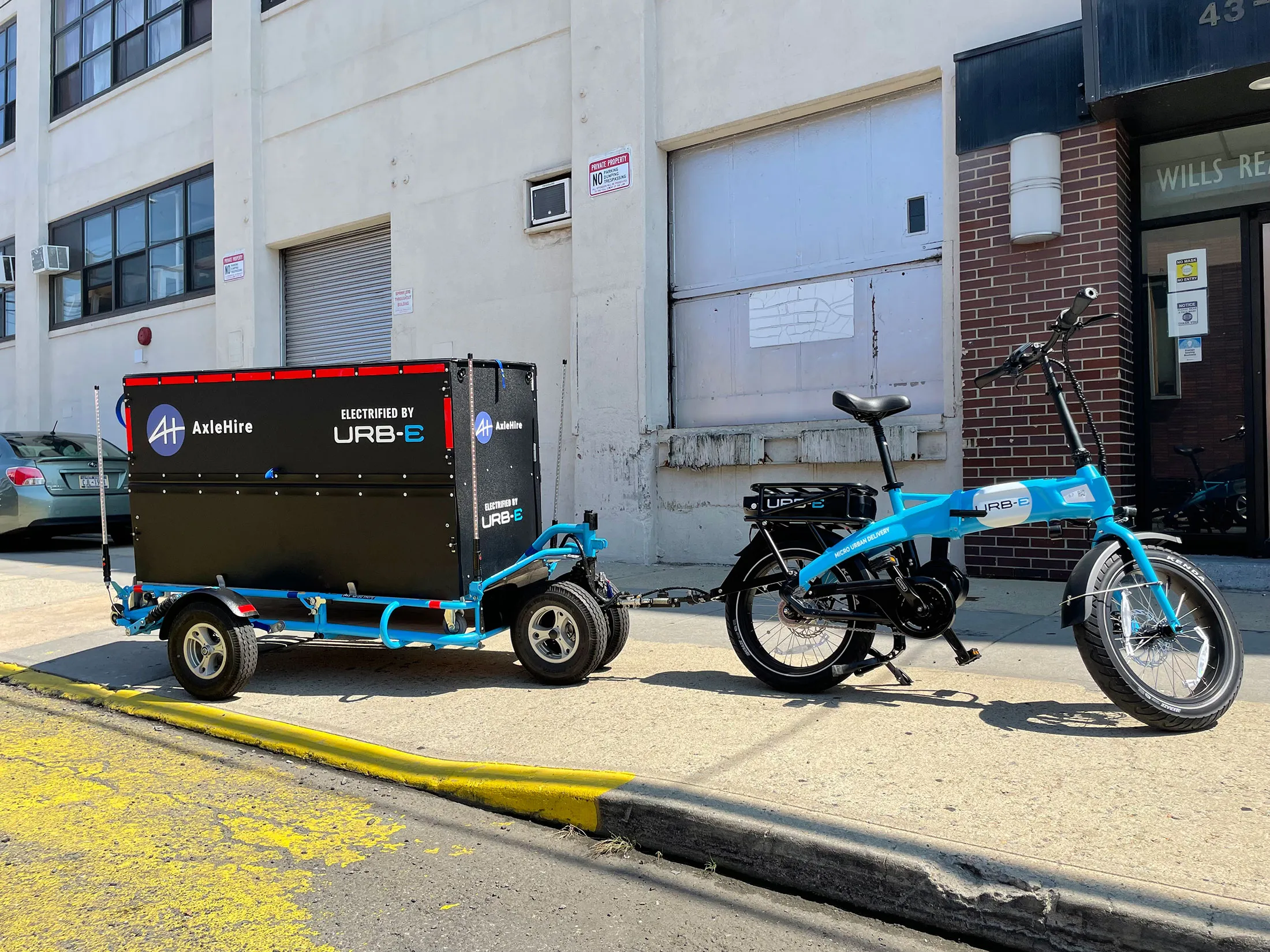
The diversification of e-bike categories reflects expanding use cases. Folding e-bikes emphasize portability and urban convenience, while cargo e-bikes are engineered for load-bearing applications, often supporting payloads exceeding 100 kg.
These segments highlight the adaptability of e-bike platforms across both personal and commercial mobility solutions.
Market Growth and Industry Evolution
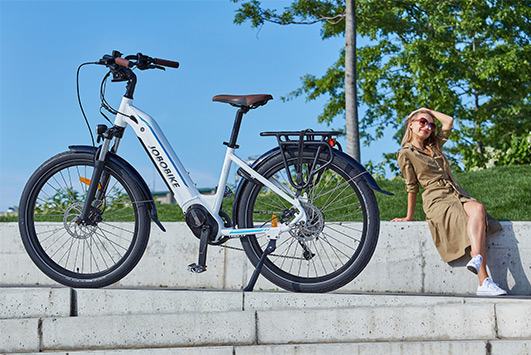

The global e-bike market continues to expand, driven by urbanization, sustainability goals, and infrastructure development. Increased adoption is supported by regulatory frameworks, incentives, and advancements in technology.
Manufacturers are investing heavily in R&D, leading to continuous improvements in efficiency, safety, and user experience.
Key Considerations Before Purchasing an E-Bike
Selecting the right e-bike requires evaluating multiple technical parameters. Battery capacity (Wh), motor torque (Nm), braking systems, and sensor type all directly impact performance.
Equally important are system reliability, certification standards, and after-sales support. A well-designed e-bike should offer a balance between performance, durability, and long-term usability.
Why E-Bikes Represent the Future of Mobility
E-bikes offer a unique combination of energy efficiency, low operating cost, and adaptability. Compared to traditional vehicles, they significantly reduce energy consumption and environmental impact while maintaining high practicality.
As technology advances, their role in urban mobility ecosystems is expected to become even more prominent.
Conclusion
Electric bikes have transitioned into highly engineered mobility systems that integrate mechanical design, electrical power, and digital intelligence.
With ongoing innovation in batteries, motors, and software, e-bikes are positioned as a key component of future transportation. For users, this translates into better performance, improved reliability, and a more intelligent riding experience.